Post-workout recovery massage in Penang: timing and frequency
By Janice · Updated 2026-07-10
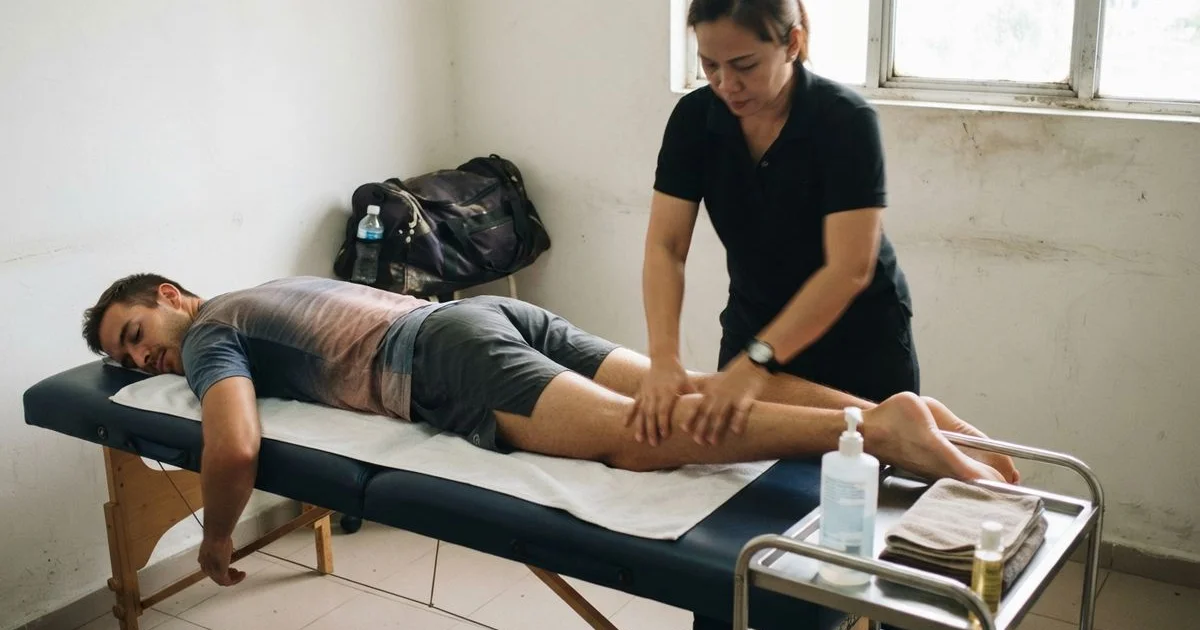
Therapeutic and sports massage recovery work is one of the more frequency-dependent decisions in this whole trade: get it at the right time relative to training and it genuinely helps; get the timing wrong and it can leave you feeling more fatigued than before. Here’s a practical way to think about when to book it.
Matching frequency to training load
| Activity level | Reasonable frequency |
|---|---|
| Casual exercise, no specific training goal | Occasional, as needed for tension |
| Regular recreational training (running, gym, sports) | Every 1-2 weeks |
| Structured training for an event | Weekly during peak training blocks |
| Recovering from a specific injury | As advised by a physiotherapist, often more frequent short sessions |
This is a general starting shape. Someone training hard six days a week has different recovery needs from someone doing two casual gym sessions, and a therapist experienced with athletes can help calibrate frequency once they know your routine.
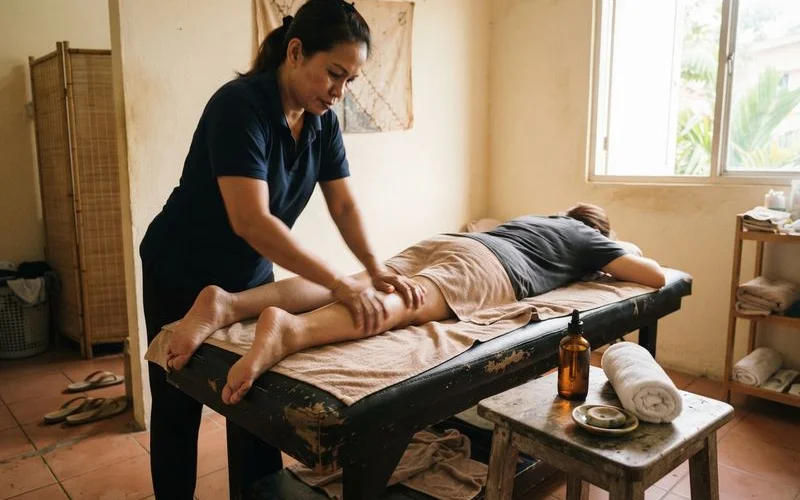
Timing around a single hard session
Right after intense training, muscles are often inflamed and fatigued. A light, short session within a few hours can support circulation without adding more stress. A deep, intense session is often better placed the next day or two later, once the initial inflammation response has settled, when deeper work tends to be more comfortable and more useful.
Different sports, slightly different needs
Runners and hikers tend to carry tension mainly in calves, hamstrings and the lower back. Swimmers and racket-sport players more often need shoulder and upper-back work. Gym-based strength training tends to spread tension more broadly, depending on the specific split. Mentioning your sport and typical training pattern when booking, rather than just asking for “sports massage,” helps the therapist focus the session where it actually matters for you.
Timing around a race or event
Avoid deep, intense work in the 48 hours directly before a big event, since it can leave muscles feeling depleted rather than primed. A lighter session earlier in race week, focused on circulation rather than deep pressure, is the safer choice if you want a pre-event massage at all. Post-event, once you’ve rested and rehydrated, a recovery-focused session in the following days is where deeper work tends to help most.
What to expect the day after
Some tenderness in the muscles worked, similar to a moderate workout, is normal after a deeper recovery session, especially the first few times. It usually settles within a day, and light movement the next day tends to help more than complete rest. If soreness is unusually sharp, lasts more than a couple of days, or comes with swelling, that’s worth mentioning to whoever you train with rather than assuming it’s just normal recovery. If you’re managing an actual injury rather than routine training soreness, our guide on staying safe with deep tissue and sports massage covers what to flag before a deeper session.
Building it into an ongoing routine
For regular training, booking recovery massage on a fixed cadence (say, every other Sunday) rather than only reactively when something already hurts tends to work better for both muscle maintenance and catching small issues before they become bigger ones. If cost is a factor in going regularly, a smaller multi-session package sized to your realistic frequency is worth considering over paying per visit.
Working with your training, not against it
If you’re also seeing a coach or physiotherapist, mentioning your massage routine to them (and vice versa) helps make sure the timing works with your training block rather than by coincidence. Therapists experienced with athletes are used to this kind of coordination and can often adjust technique specifically around an upcoming event or a recent hard session if you tell them what’s coming up.
Finding a therapist who works with athletes regularly
Not every therapist has experience adjusting technique around training cycles specifically, some are better suited to general relaxation work. The directory lists this kind of specialisation directly on individual listings, scored under its published scoring method, which is a faster way to find someone used to working with active training schedules than calling around and asking cold.
FAQ
- Should I get a massage the same day as a hard workout?
- A light, shorter session a few hours after is usually fine and can help. A deep, intense session immediately after very hard training is often better saved for the following day, once initial inflammation has settled a little.
- How often should someone training regularly get a recovery massage?
- Once every 1-2 weeks is a common baseline for regular recreational training. Those training intensely or preparing for an event sometimes go weekly during peak periods.
- Is massage a substitute for a proper warm-up or cooldown?
- No. It's a recovery tool that complements training, not a replacement for warming up, stretching, or basic injury-prevention habits.
- How soon before a race should I get a massage?
- Avoid a deep, intense session in the 48 hours immediately before a big event; muscles can feel fatigued rather than fresh. A lighter session earlier in race week is generally safer.