Who should avoid a massage, or check with a doctor first
By Janice · Updated 2026-06-28
This is general information, not medical advice. If you have an ongoing health condition, are pregnant, or have recently had surgery or an injury, check with your doctor before booking a massage.
Most people can get a massage safely without any special precautions. But a handful of situations genuinely call for caution, either avoiding a session altogether or clearing it with a doctor first. None of this is meant to be alarming, it’s the same kind of common-sense list a therapist would ask about during a consultation anyway.
Situations that call for a doctor’s clearance first
- Pregnancy, especially the first trimester or a pregnancy flagged as high-risk. Later in pregnancy, many spas offer positioning and pressure adjusted specifically for this.
- Recent surgery or a fracture that hasn’t fully healed. Increased circulation and pressure near a healing site can interfere with recovery.
- A history of blood clots or a diagnosed clotting disorder. Deep pressure, particularly on the legs, carries a real risk in these cases.
- Uncontrolled high blood pressure or a recent cardiac event. Massage affects circulation and heart rate, so this is worth a quick check first.
- Active cancer treatment. Some forms of massage are used safely alongside treatment, but only with a doctor’s and often an oncology-trained therapist’s input.
Situations to reschedule, not avoid forever
| Situation | What to do instead |
|---|---|
| Fever, flu or active infection | Reschedule until fully recovered |
| Open wound, sunburn, or a fresh tattoo | Wait until it’s healed |
| Skin condition in a flare-up (eczema, psoriasis) | Reschedule or ask for the area to be avoided |
| Recent alcohol consumption | Wait a few hours; combining the two can cause dizziness |
Conditions that usually just need adjustment, not avoidance
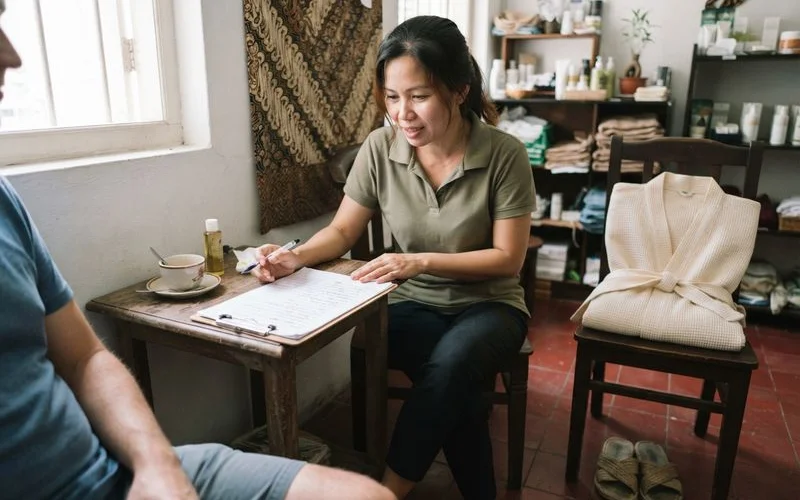
Diabetes with reduced sensation in the feet, varicose veins, mild arthritis, or a past (fully healed) injury don’t usually rule out a massage, they just mean the therapist should know about them so pressure and technique can be adjusted around the area. This is exactly what a pre-session consultation is for, and it’s worth being specific rather than vague (“my knee” rather than “some joint stuff”).
Medication and recent treatments
Some medications thin the blood, affect skin sensitivity, or change how your body responds to pressure and heat. If you’re on blood thinners, recently had a cosmetic procedure like filler or a chemical peel, or are using a topical treatment on the area being worked, mention it during the consultation. This isn’t usually a reason to cancel, but it does change what the therapist should avoid or do more gently.
Why this matters more for deeper styles
The caution above applies far more to deep tissue, sports and therapeutic massage than to something like reflexology or a light Balinese-style session, since the pressure involved is higher and more targeted. If you’re managing an injury or a chronic condition, a gentler style is often the safer starting point, with your doctor’s input on whether and when a deeper style is appropriate.
Children and older adults
Reflexology and light traditional massage are generally well tolerated by older adults, and are often a gentler option than a deep tissue session, though pressure should still be lighter and more conservative than a typical adult session, especially around thin skin, fragile joints or known osteoporosis. For children, most reputable spas in Penang don’t take clients under a certain age (commonly mid-teens) without a parent present, and a light touch style is the only appropriate option even then. If in doubt, call ahead and ask about the spa’s age policy before booking.
Speak up before, not during
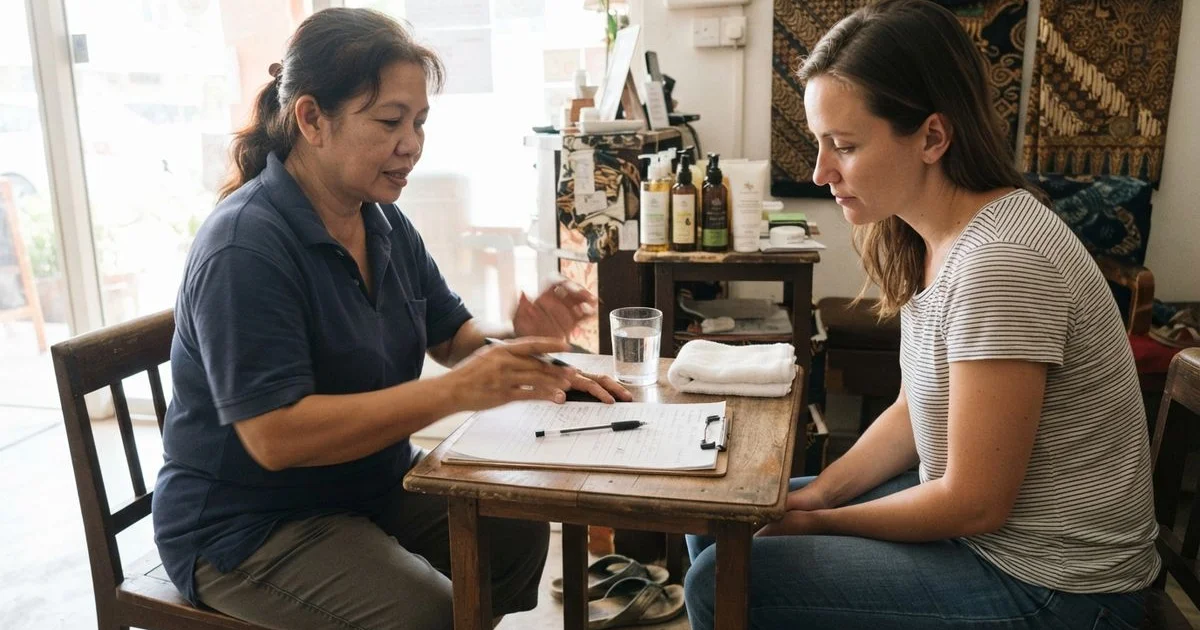
The single most useful thing you can do is answer the consultation questions honestly rather than glossing over them because you don’t want to seem high-maintenance. A good therapist has heard it all before, and adjusting for a condition you mentioned upfront is far easier than fixing a problem that starts mid-session. If something feels wrong once you’re on the table, say so immediately rather than waiting it out.
The directory surfaces which spas score well for professional, attentive service under its published scoring method, which is a reasonable signal for therapists who take a proper consultation seriously.
FAQ
- Is it safe to get a massage while pregnant?
- Many spas offer pregnancy-safe massage with adjusted positioning and pressure, but the first trimester and any high-risk pregnancy should be cleared with your doctor first.
- Can I get a massage if I have high blood pressure?
- Often yes, at a moderate pressure, but tell the therapist beforehand and avoid it if your blood pressure is currently uncontrolled or you've had a recent cardiac event.
- Is it okay to get a massage with a fever or the flu?
- No. Reschedule until you've recovered. Massage increases circulation, which can make you feel worse when you're already fighting an infection, and it risks spreading illness to staff and other clients.
- What if I have a chronic condition like diabetes or a blood clotting disorder?
- Tell the therapist before the session starts. Many conditions just mean adjusted pressure or avoided areas, not an outright no, but the therapist needs to know to adjust safely.