What to expect from a reflexology or foot massage session in Penang
By Janice · Updated 2026-06-26
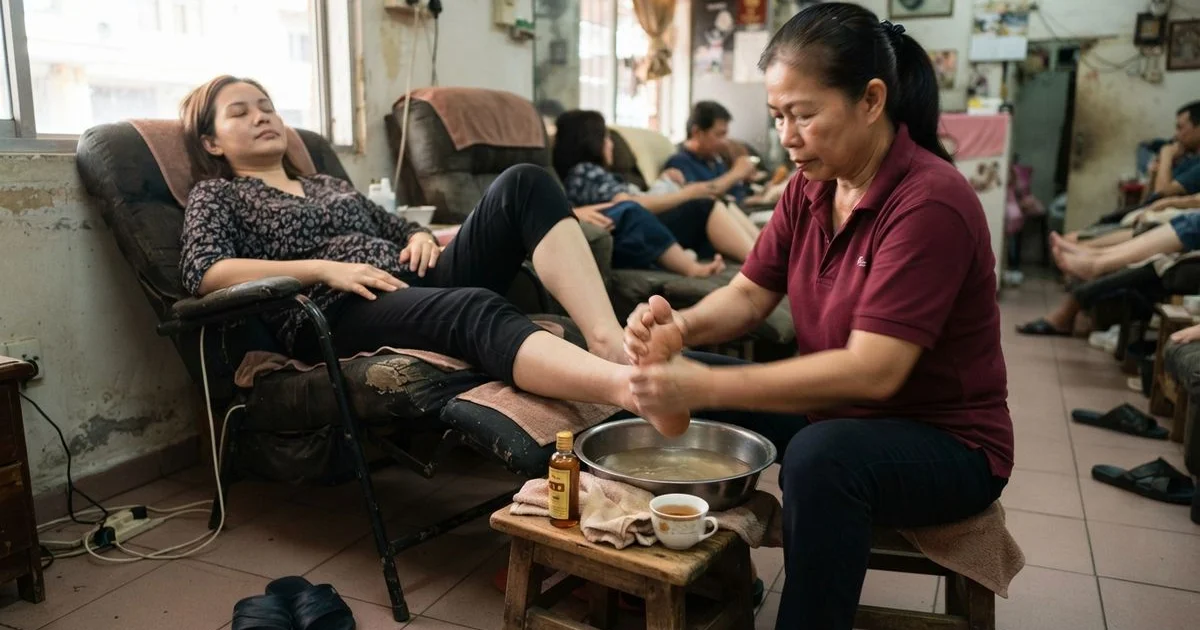
Reflexology is one of the most searched and most booked treatments among reflexology and foot massage spas in Penang, and one of the easiest to try if you’ve never had any kind of massage before: you stay clothed, only your feet and lower legs are involved, and sessions tend to be shorter than a full-body treatment. Here’s what actually happens, start to finish.
Before the session
A short consultation usually comes first: the therapist may ask about foot pain, recent injuries, or areas you want them to focus on. This is worth taking seriously even if it feels like small talk, since it’s the main chance to flag anything (a healing blister, a recent sprain) before pressure is applied there.
During the session
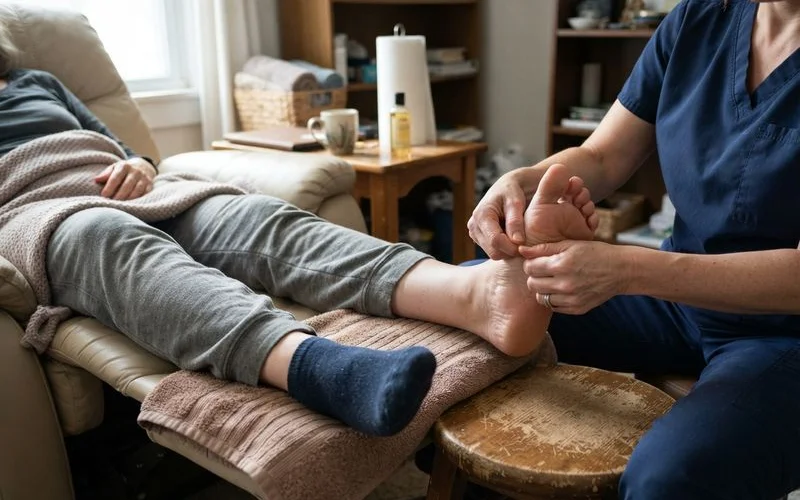
You’ll usually sit in a reclining chair or lie on a table, feet elevated. The therapist works methodically across the sole, heel, arch and toes, using thumb and knuckle pressure to move across specific points. Expect the pressure to vary: some points feel like a normal firm rub, others feel more tender for a few seconds before easing off. A good therapist checks in periodically, especially the first time you visit, to calibrate how much pressure you actually want.
What a session typically covers
| Stage | Roughly how long | What happens |
|---|---|---|
| Consultation | 2-5 minutes | Discuss focus areas, any injuries |
| Warm-up | 5 minutes | Light strokes to relax the foot |
| Main treatment | 30-40 minutes | Point-by-point pressure work |
| Finish | 5 minutes | Lighter strokes, sometimes a short calf or shoulder segment |
Signs of a rushed or low-quality session
Reviewers across Penang spas most often praise skilled, attentive therapists and a genuinely relaxing atmosphere as what makes reflexology worthwhile. The flip side, and the most common complaint in this specific treatment category, is inconsistency between therapists at the same spa: one session feels thorough and attentive, the next feels mechanical or rushed. A few concrete signs to watch for:
- The therapist barely varies pressure across different points, treating the whole foot the same way.
- The session ends noticeably early without explanation.
- Little to no check-in about whether pressure is comfortable.
None of these are dangerous, but they’re a fair reason to ask for a different therapist next time, or to try a different spa. The directory ranks these spas using a published scoring method that weighs sentiment and consistency, not just star ratings, which makes it a reasonable place to compare options.
Reflexology versus a full-body massage
Reflexology is a good fit when time is short, when you want a lower-intensity introduction to massage, or when the complaint is specifically tired or achy feet and legs from a lot of walking (common enough in Penang, given how walkable George Town is). If the tension you’re carrying is in your shoulders, neck or back rather than your feet, a traditional, Balinese or therapeutic session will do more for you. Some spas offer a combined session: a shorter reflexology segment followed by upper-body work, which is worth asking about if you want both in one visit.
How pressure preferences differ
Not everyone wants the same intensity. Some clients specifically ask for firm, almost deep-tissue-level pressure on the feet, while others want it light throughout. Neither is wrong, and a good therapist adjusts without treating a request for lighter pressure as a complaint about their skill. If you’re not sure what you want going in, starting at a moderate level and asking for more or less after the first few minutes is the easiest way to calibrate.
Aftercare
Most people feel looser and more relaxed immediately after. A little tenderness in the feet for the rest of the day is normal, especially after a first session or a particularly firm one. Drinking water afterward is commonly suggested, though there’s no strong evidence it changes anything physiologically, it’s simply a reasonable habit either way.
Who should be cautious
If you have diabetes with reduced foot sensation, an open wound, a recent fracture, or you’re in the first trimester of pregnancy, mention it before the session starts rather than after, since some points and pressure levels are best avoided or adjusted in those cases. This is general information, not medical advice: if you have an ongoing foot or circulation condition, check with your doctor before booking. If you’re booking on behalf of an aging parent instead, our guide to choosing reflexology or foot massage for an elderly parent covers what to check beforehand.
FAQ
- How long does a reflexology session usually last?
- Most standalone sessions run 45 to 60 minutes. Shorter 30-minute foot-only sessions are common too, especially as an add-on to another treatment.
- Does reflexology hurt?
- You should feel firm pressure and, at certain points, a brief tender or achy sensation. Sharp or lingering pain is not normal, and you should ask the therapist to ease off if it happens.
- Do I need to remove my socks and shoes only, or more?
- For standard reflexology, just your shoes and socks. Some spas offer it as part of a longer session that includes the lower legs, in which case you may roll up trousers or wear provided shorts.
- Can reflexology replace medical treatment for a health condition?
- No. Reflexology is a relaxation and wellness practice, not a substitute for medical diagnosis or treatment. Speak to a doctor for any ongoing health condition.