What to do if a Penang spa overcharges you or pushes add-ons
By Janice · Updated 2026-06-20
This is general consumer information, not legal advice. For a specific dispute, Malaysia’s Tribunal for Consumer Claims or the National Consumer Complaints Centre can advise on your exact situation.
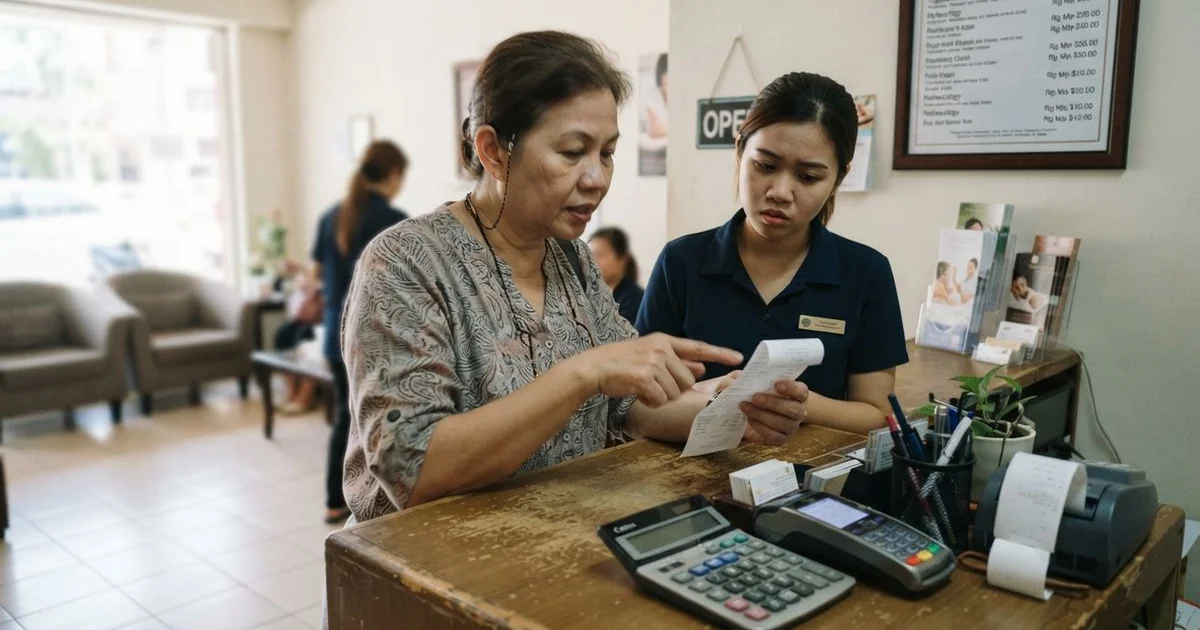
Being overcharged or pressured into extras is one of the most common complaints in the massage and spa trade, in Penang and everywhere else. It usually isn’t outright theft: it’s a quoted “basic package” that turns out to exclude oil, a “60 minutes” that’s actually 45 with 15 spent on a sales pitch, or a card machine that’s “broken” so you’re steered to a higher cash price. Here’s what to do about it, and how to reduce the odds of it happening at all.
Step by step, if it happens during your visit
- Ask for the price breakdown in the moment. Politely ask the therapist or front desk to itemise what you’re being charged and why. Most legitimate confusion resolves at this stage.
- Decline the add-on clearly. “No thank you, just the treatment I booked” is enough. You do not owe an explanation.
- Pay only what was agreed. If the spa insists on the higher amount, pay by card if possible (it’s easier to dispute later) and keep the receipt.
- Get it in writing. A WhatsApp message confirming the original quote, or a screenshot of an online booking price, is your strongest evidence if a dispute follows.
If it’s already happened
| Situation | What to do |
|---|---|
| Overcharged but haven’t paid yet | Ask for the original quoted price in writing before paying |
| Already paid, small difference | Message the spa directly and ask for a refund of the difference |
| Already paid, spa unresponsive | Dispute the charge with your bank if paid by card |
| Pattern of pressure tactics | Report to the National Consumer Complaints Centre (NCCC) |
Why this happens more in this trade
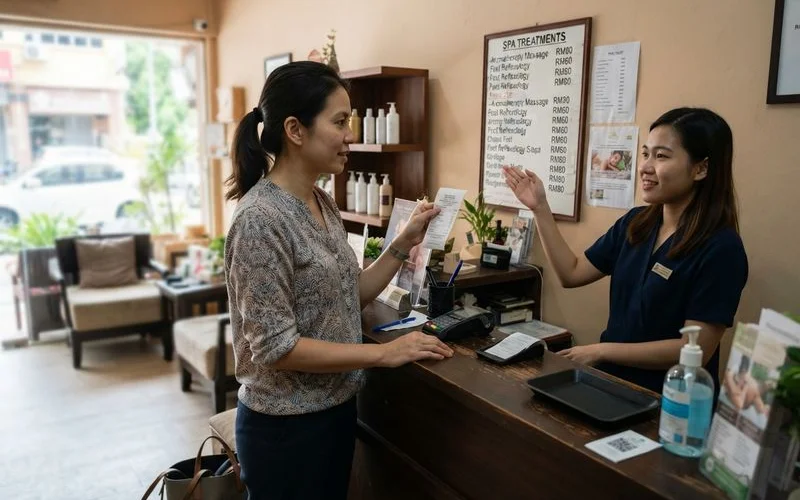
Massage pricing has a lot of moving parts: duration, style, whether it’s at the spa or an outcall, and whether oils or hot stones are included. That complexity gives room for genuine misunderstandings, but it also gives room for a minority of businesses to exploit the ambiguity. The single best defence is confirming price and inclusions before you arrive, not after you’re on the table.
Tipping adds another layer of confusion. Tipping isn’t compulsory at most Penang spas, so a bill that quietly folds in a “service fee” on top of the treatment price and a suggested tip is worth questioning. Ask whether the service charge is already included in the headline price, and treat any tip as separate and optional.
Avoiding it in the first place
- Ask for the total price including any service charge, by message, before you go.
- If a spa quotes a price “from RM___”, ask what pushes it above that floor.
- Be specific about duration: “60 minutes of hands-on treatment” is different from “60 minutes including changing and consultation.”
- If you’re offered a walk-in discount or promo, get the final price confirmed at the door before you start, not after.
Checking that a spa is properly licensed in the first place is another good filter, since our guide on confirming a Penang spa’s license and registration covers what a legitimate operator should have on hand.
When it’s worth escalating
A one-off billing mix-up that gets corrected when you raise it is not worth a formal complaint. A pattern of being told one price on the phone and another at the counter, refusal to itemise a bill, or a hard no when you ask to pay only the agreed amount, is worth escalating. Malaysia’s NCCC (via their hotline and website) handles exactly this kind of consumer dispute, and a paper trail of your messages makes any complaint far stronger.
Most spas that show up well across customer reviews get consistent praise for fair, transparent pricing, so a bad billing experience is usually the exception rather than how the trade generally works here. It’s also part of why the directory’s scoring method weighs sentiment as heavily as it does: a spa with a pattern of pricing complaints will show it over time. Treat one bad billing experience as a signal about that specific business, not the whole industry.
Keep the paper trail
Whatever you do, keep a record. A screenshot of a WhatsApp quote, a photo of a printed price board, or an email confirmation is worth more than memory once a dispute starts. If you do end up filing a complaint with NCCC or the Tribunal, having dates, amounts and messages ready from the start makes the process faster and your case stronger.
FAQ
- Can a spa legally charge me more than the price it quoted?
- No. Under Malaysia's Consumer Protection Act, a business cannot mislead you on price. If a spa quoted RM120 and bills RM180 without your agreement to the difference, you have grounds to dispute it.
- What if I already paid before I realised I'd been overcharged?
- Contact the spa directly first, in writing (WhatsApp or email), asking for a refund of the difference. If they refuse, you can lodge a complaint with the National Consumer Complaints Centre or Tribunal for Consumer Claims.
- Is it normal to be offered upgrades during a session?
- Being told about optional add-ons before you start is normal. Being pressured into them once you're already on the table, or told a basic package suddenly costs more mid-session, is not.
- Should I leave a review if I had a bad experience with billing?
- Yes, a factual, specific review helps other customers and the spa itself. Stick to what happened rather than assumptions about intent.